
EXPLORE
A Guide to Bottega Graphic Tee Wash and Care Guide
Care Instructions for Your Bottega Desires Shirt: Guidance to Help Keep It Looking New
A garment like this performs only as well as the upkeep it’s given, and this holds especially true for anyone who has invested in a Bottega Desires shirt. The label has earned its name through sharp, uncluttered shapes, thoughtfully selected materials, and finishing touches that show their value when cared for, not ignored. If you have found your way here after searching what is Bottega Desires, put simply it’s a name positioned in today’s fashion landscape, separate from Bottega Veneta even though the names sound alike. This article isn’t about that comparison in depth, but rather about a practical concern: how do you keep your shirt looking new after the tenth, twentieth, or fiftieth wash?
Textile maintenance is hardly ever glamorous, yet it decides whether a garment lasts two years or ten. Button-ups pick up body oils, perspiration, and daily dirt faster than bulkier garments such as a Bottega Desires hoodie, given that they stay nearer the body and get worn more often. If you grasp the weave, seam work, and finishing techniques behind manufacturing, you’ll sidestep the typical errors that cut short a shirt’s usable life. Here we go through laundering, drying, storage, and stain treatment further down, and include a comparison table showing how shirts compare to other pieces in the Bottega Desires clothes lineup.
Learn About the Textile Before You Wash It
The foundation of every mens graphic tee Bottega Desires shirt is a specific weave, and that weave that determines how it should be treated.
Consider poplin cotton for instance—it copes with the washing machine far better than a brushed-twill weave or an elastane blend would.
Make sure to inspect the interior label for fiber content and washing symbols before putting anything into the machine—guessing can ruin the piece.
Numerous shirts in the collection use medium-weight cotton fabric, approximately within the 120 to 160 GSM range, which is breathable but also susceptible to shrinking if washed at too high a temperature.
Water temperature matters more than most people realize. Washing at 30°C rather than 40°C or higher reduces shrinkage risk by a noticeable margin and preserves color saturation, particularly on darker shirts where fading is more visible. If the shirt has printed graphics or embroidered logos, turning it inside out before washing protects the design from friction against other fabrics in the drum. This single step extends the crispness of prints by several wash cycles, based on general textile care standards applied across casualwear brands.
A role that’s often overlooked is the detergent you use. Harsh detergents with high alkaline content strip the cotton’s natural fibers over time, causing the fabric feel flimsier and looser in structure. Using a mild, pH-balanced detergent in the recommended dose—not an excessive amount—keeps the shirt’s hand-feel intact for longer. Leaving out fabric softener for cotton pieces is also advisable, since softeners leave a coating on the fibers and can interfere with airflow through the fabric, which matters if you’re combining the shirt with layering pieces such as Bottega Desires shorts or jorts throughout hotter weather.
How to Dry the Garment Without Loss of Shape
Tumble drying feels convenient, but it’s one of the fastest ways to age a shirt prematurely. High heat drying can shrink a 100% cotton shirt by up to 5% in the first few cycles alone, which changes the fit permanently. Air drying, ideally on a flat surface or a wide hanger that mimics the shoulder line, keeps the garment’s shape true to its original cut. This matters more for shirts than for a Bottega Desires hoodie, since hoodies are cut looser and more forgiving of minor shrinkage.
Straight sun exposure, even though it’s good for zapping bacteria and deodorizing fabric, also speeds up color fading, particularly with rich shades such as navy, black, or burgundy. Drying in a shaded, well-ventilated spot strikes the right balance between hygiene and color retention. If you’re pressed for time and machine drying is necessary, using a low-heat setting, removing the shirt before it’s fully dry, and completing the process with air drying greatly lowers the risk of shrinkage.
The pressing step merits special attention in this context. Fresh-from-the-dryer shirts hold fewer wrinkles, but ironing while slightly damp, using a medium heat setting appropriate for cotton, produces the crispest finish. Steaming is a gentler alternative that avoids the risk of scorch marks, especially handy for shirts featuring synthetic trims or printed details. Whatever method you decide to use, always iron on the reverse side if the shirt has a front placement graphic, because applying direct heat to ink or vinyl designs can lead to cracking after just a few wears.
Everyday Use alongside Sensible Storage
Your storage method for a shirt when not being worn influences its lifespan about as significantly as washing does. Shoulder warping, a common issue that leaves shirts looking lopsided and saggy after a few months, is avoided by hanging shirts on wooden or padded hangers instead of wire ones. Since wire hangers concentrate weight into a pair of narrow points, noticeable lumps emerge at the shoulder seam over time.
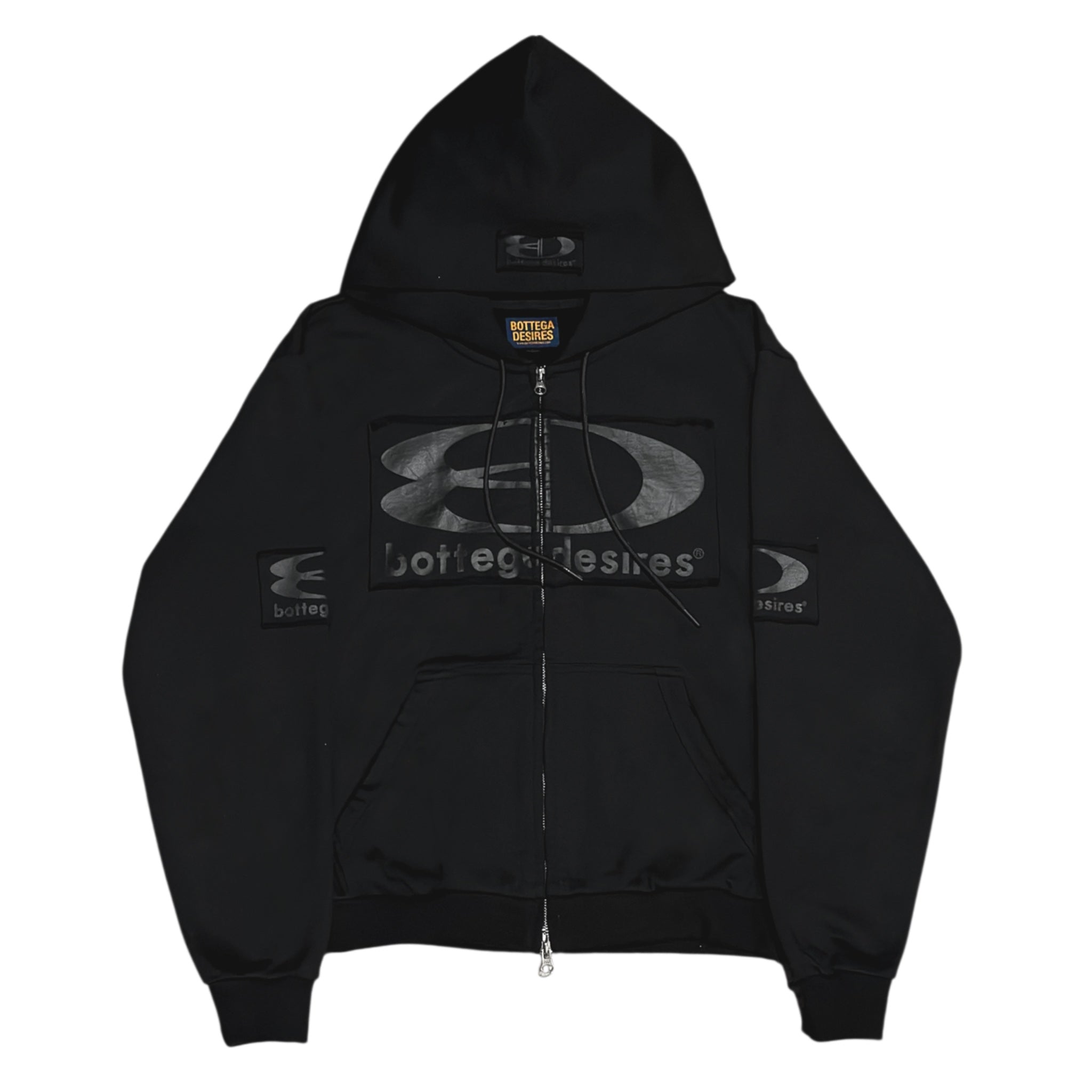
Wear rotation matters too. Putting on the identical shirt two or three days in a row without laundering it accelerates wear on the fabric at high-friction spots like the collar and cuffs. Owning at least three to four shirts in rotation, and pairing them with other Bottega Desires pieces like shorts for hotter weather, distributes wear uniformly and allows each garment time to regain its form between washes. Fabric fibers need rest, similar to shoes, and continuous use without a break flattens and degrades the weave faster than expected.
The practice of folding for storage in drawers is fine for everyday shirts, but folding along the same crease repeatedly can form a permanent line, particularly in lighter fabrics. Switching up where you fold every few weeks, or hanging them up when there’s room in the drawer, preserves an even weave. For anyone storing seasonal pieces, such as swapping a Bottega Desires shirt for cooler-weather layers, garment bags that breathe prevent dust accumulation without sealing in moisture, which is the real enemy behind mildew spots and musty smells.
Tackling Stains Without Panic
Stains happen, and your response time determines whether they set in for good. Rinsing with cold water right after it happens, before it has time to set, removes a significant percentage of oil-based marks before they bond with the fibers of the fabric. Warm water, ironically, is the wrong first move for the majority of stains since the heat sets proteins in substances like food or sweat to embed further in the weave.
Oil-based marks are best treated with a small amount of dish soap applied directly, rubbed in softly by hand, then rinsed — outperforming most specialty removers. Sweat marks near the collar clear up well with a baking-soda-and-water paste left on for 15 to 20 minutes before washing, especially with repeated treatments. Ink, more stubborn, often need isopropyl alcohol, applied with care from the reverse side, driving it outward instead of further into the weave.
No matter what caused the stain, test any treatment first on an inconspicuous inner seam to avoid discoloring the outer fabric. Staying patient counts too — when a first wash fails to remove it, trying again once or twice more usually helps better than aggressive scrubbing, which can damage fibers and leave a worn patch more noticeable than the original mark.
Bottega Desires versus Bottega Veneta: A Quick Care Comparison
Given that search interest commonly links Bottega Desires vs Bottega Veneta, it’s worth noting that care methods for accessible contemporary shirts vary to some degree from luxury house pieces, largely due to the heft of the material and how intricately it’s constructed. The phrase “Bottega Veneta desires” itself reflects a bit of this mix-up between the two names, but when it comes to washing, contemporary cotton shirts such as the ones from Bottega Desires are generally more forgiving and easier to maintain at home without professional cleaning.
| Maintenance Factor | The Bottega Desires Shirt | Bottega Desires Hoodie | The Bottega Desires Shorts/Jorts |
|---|---|---|---|
| Recommended Wash Temp | 30°C | 30-40°C | 30-40°C |
| Tumble Dry Safe | Low heat only | Low to medium heat | Medium heat generally safe |
| Need for Ironing | Required, at medium warmth | Not often necessary | Not often necessary |
| Shrink Potential | Medium-to-elevated | Low | Minor to fairly moderate |
| Best Storage Method | Hanger | Neatly folded | Stored flat |
Why shirts need more careful handling than bulkier garments becomes clear in this table. A hoodie’s thicker knit holds up against shrinkage and wrinkling far better, while jorts, being denim-based typically, can handle warmer washes without the same fading concerns as a printed cotton shirt.
Wrapping Up: Everyday Garment Care
Anyone reading a Bottega Desires review online will notice recurring praise for the fit and fabric feel of their shirts, but few reviews go deep into aftercare, which is often where garments succeed or fail long term. Giving a shirt proper care from day one sets the tone for how it performs over its entire lifespan, whether that’s fifty uses or two hundred. Minor routines, like washing cold, drying flat, and rotating pieces, combine to produce noticeably better retention of color, shape, and fabric integrity.
Caring for a Bottega Desires shirt isn’t difficult, in the end—it just needs deliberate care instead of thoughtless washing. The payoff for that minor investment of care is a shirt that still looks sharp well after the trend cycle has moved on, maintaining its form and hue far better than pieces washed carelessly. Combine careful upkeep with cycling through other Bottega Desires clothes, and your whole closet gains from the same principles.